
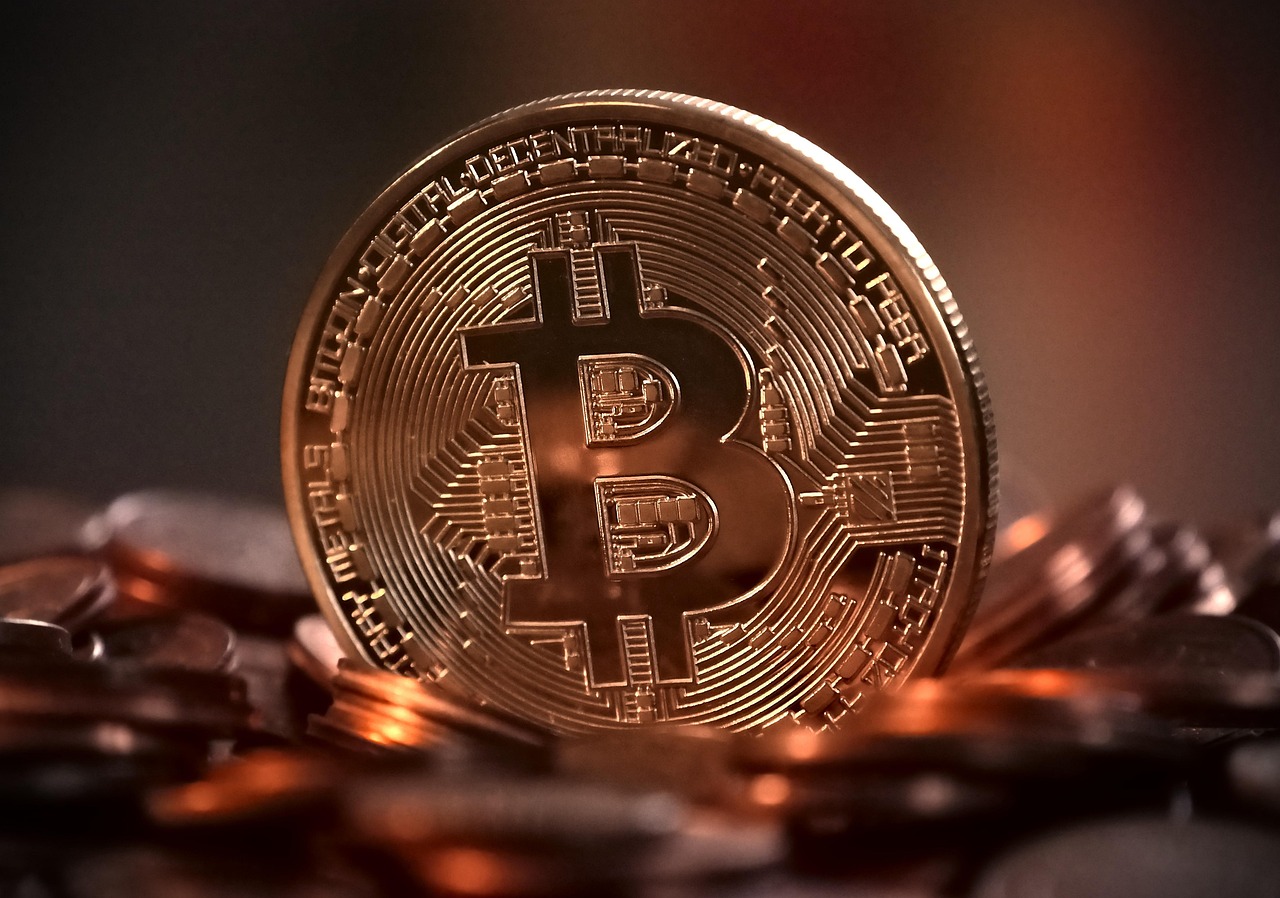
There’s a lot of noise around crypto—some of it exciting, a lot of it confusing, and plenty of it, let’s be honest, just hype. When the market is up, people talk about Lamborghinis and overnight millionaires. When it crashes, headlines shout, “Bitcoin is dead!” and the same influencers go silent.
But somewhere far from the headlines and price charts, something real has been happening.
People in countries most of the world forget about have quietly been adopting crypto—not as a bet, not to “ape into memecoins,” but out of necessity.
And while influencers argue about which chain is faster or which coin will 10x, families in Nigeria, freelancers in Venezuela, and shopkeepers in Kenya are using crypto to survive, build, and connect.
This article is about them. No hype. No buzzwords. Just real stories, real change, and a perspective most of crypto Twitter never talks about.
📉 When Banks Break Down, People Find Workarounds
Let’s start with something many folks in the West take for granted: having a stable currency.
If you live in the U.S., UK, or most of Europe, you don’t usually worry about your paycheck being worth 30% less next month. You don’t panic when trying to send money overseas. You don’t think twice about accessing your savings.
But if you live in Zimbabwe, Lebanon, Argentina, or Turkey? That’s just life.
Inflation in some of these countries has reached triple digits. Banks sometimes freeze withdrawals or limit how much people can send abroad. And that’s where crypto becomes more than just an investment—it becomes a lifeline.
“In Venezuela, I get paid in USDT,” a freelance designer told me on Reddit.
“My local bank eats 30% in fees and takes 10 days to process a wire. But with crypto, I get paid in an hour and I don’t lose money.”
You won’t see that on CNBC. But it’s real. And it’s happening every day.
🌍 Africa Is Leading in Ways Silicon Valley Doesn’t Realize
You might be surprised to hear this, but Africa is one of the fastest-growing crypto regions in the world.
Not because of speculation. Not because people are farming yield. But because crypto solves real, everyday problems:
- Sending remittances without paying 20% to Western Union
- Buying goods online without a credit card
- Storing value in stablecoins when the local currency crashes
In Kenya, mobile money is already deeply ingrained in society through platforms like M-Pesa. So the leap to crypto? It’s not so strange.
A report from Chainalysis showed that Africa has the highest proportion of peer-to-peer (P2P) crypto activity of any region globally. Translation? People aren’t waiting for Coinbase to expand. They’re figuring it out on their own—often with nothing more than a cheap Android phone and a Telegram group.
💸 Why Stablecoins Might Be More Revolutionary Than Bitcoin
Ask any Bitcoin purist, and they’ll tell you BTC is the only money that matters. And sure, it’s powerful—especially as a hedge against inflation or as a long-term store of value.
But when you talk to people on the ground? Most of them aren’t using Bitcoin. They’re using stablecoins like USDT (Tether) and USDC.
Here’s why:
- They don’t want volatility — they just want dollars
- Stablecoins can be sent instantly with minimal fees
- Merchants in many regions now accept USDT directly
- Some people even pay rent and tuition with it
In fact, if you walk through the streets of Lagos or browse freelance platforms in Pakistan or Bangladesh, you’ll often see “Prefer payment in USDT” written right next to a PayPal or bank option—sometimes as the only option.
🧠 Education, Not Speculation, Is What People Really Want
When the market is down, people start asking real questions. “What is this tech actually useful for?” “How does a blockchain work?” “Why is everyone talking about decentralization?”
That’s a good thing.
In places where trust in institutions is low, the idea of self-custody—owning your own money without relying on a fragile bank—isn’t a philosophical debate. It’s common sense.
That’s why in places like India and the Philippines, grassroots crypto education is exploding. Local YouTubers and Telegram educators are explaining things in native languages, using local examples, helping their neighbors learn how to:
- Set up secure wallets
- Avoid scams
- Use DeFi without getting wrecked
- Convert between fiat and crypto
There’s a quiet revolution happening, but it’s not being led by the flashy influencers with Lambos. It’s being led by everyday people learning how to take control of their money.
🛠️ Tools and Platforms Are Evolving for These Needs
Thankfully, not all of the crypto world is focused on the West. Some of the best innovation right now is happening to serve underserved populations.
A few real-world examples:
- Celo focuses on mobile-first payments, especially in regions with limited internet access
- Bitnob helps users in Africa receive Bitcoin via the Lightning Network
- Kotani Pay allows people in rural Kenya to send and receive crypto via SMS
- Binance P2P enables local currency-to-crypto exchange without a centralized intermediary
These aren’t moonshots. They’re simple, practical tools. And they work.
🧭 The Risks Are Real — But So Is the Impact
Let’s not sugarcoat it. There are risks.
Scams are everywhere. Poor regulation can lead to abuse. Tech illiteracy leaves many people vulnerable. And governments are still figuring out how to handle this new paradigm.
But that’s exactly why education and ethical development matter.
When done right, crypto doesn’t need to be about wild price swings. It can be about:
- A safe place to save money
- A way to get paid for work
- A method to help family abroad
- A way to build a better financial future
🗣️ So Why Doesn’t the World Talk About This More?
Here’s the sad truth: stories about everyday people using crypto to improve their lives don’t go viral.
There’s no drama. No clickbait. No billionaire CEOs involved.
But it’s exactly those stories that show the potential of this technology—not just as a speculative asset, but as a human tool.
In the long run, the most profound crypto impact won’t be measured in market caps. It’ll be measured in moments:
- A mother sending funds to her child abroad in seconds
- A worker receiving fair payment for remote work
- A young entrepreneur launching a global business without a bank
✍️ Final Thoughts: Don’t Miss the Bigger Picture
If you’re deep in crypto, it’s easy to get lost in the hype cycles, the drama, the debates over gas fees or memecoins.
But every so often, it’s worth stepping back.
This isn’t just about trading or building protocols or “making it.” It’s about giving people new tools—ones they’ve never had before.
And for millions of people across the world, those tools are already making a difference.
Quietly. Consistently. Powerfully.
So next time someone asks, “What’s crypto actually good for?” — tell them about the teenager in Nairobi building on Solana, or the family in Caracas living on USDC, or the shopkeeper in Lahore who now gets paid instantly with no middleman.
Tell them the truth: crypto is already changing lives. The rest of the world just hasn’t noticed yet.
📩 Want More Stories Like This?
Subscribe to our free newsletter and get real-world crypto stories (no hype, no ads, no noise) delivered to your inbox once a week